
Silence doesn’t heal… it hides the truth. 🧵💔
- deZengo M

- Mar 18
- 3 min read
For many people, silence feels like the safest choice after trauma or pain. Society often tells us to stay quiet, to push feelings down, or to simply move on without fully processing what happened. But silence does not heal wounds. Instead, it hides the truth and buries pain deep inside, where it can grow and fester.
Speaking up is not a sign of weakness. It is one of the bravest steps toward healing. When truth is spoken, shame loses its hold, lies are replaced with light, and healing finally begins. This post explores why silence harms, how speaking out can help, and how we can support those ready to break their silence.

Why Silence Hurts More Than It Helps
When people are told to stay silent about their pain, they often feel isolated and misunderstood. Silence can seem like a way to protect oneself from judgment or further harm, but it actually traps the pain inside. This buried pain does not disappear. Instead, it can:
Grow stronger and more overwhelming over time
Cause emotional and physical health problems
Lead to feelings of shame, guilt, and loneliness
For example, survivors of abuse who never speak about their experience often carry heavy emotional burdens for years. Without the chance to express their truth, they may struggle with anxiety, depression, or difficulty trusting others.
Silence can also allow harmful myths and lies to persist. When no one talks about the truth, false narratives fill the space, making it harder for survivors to find support and justice.
The Power of Speaking Up
Speaking out about pain and trauma is a courageous act. It takes strength to face the truth and share it with others. But this step can open the door to healing in many ways:
Shame loses its grip: Sharing your story helps break the silence that shame depends on. When others hear your truth, shame begins to fade.
Lies are replaced with light: Speaking up challenges false beliefs and misinformation. It brings clarity and understanding to a situation that may have been misunderstood or hidden.
Healing begins: Being heard creates space for emotional recovery. It allows survivors to process their experiences and start rebuilding their lives.
Many survivors find that telling their story to a trusted friend, counselor, or support group is a turning point. It can reduce feelings of isolation and open pathways to professional help and community support.

How to Support Those Breaking Their Silence
If someone you know is ready to speak out, your response can make a huge difference. Here are ways to offer support:
Listen without judgment: Let them share at their own pace. Avoid interrupting or offering unsolicited advice.
Believe their story: Trusting their truth validates their experience and helps reduce shame.
Offer resources: Help connect them with counseling, support groups, or advocacy organizations.
Respect their privacy: Keep their confidence unless they are in immediate danger.
Encourage self-care: Healing takes time. Encourage rest, healthy habits, and patience.
For those who are still silent, know that you are not alone. Many people have felt the same fear and pain. When you are ready, there are people and communities ready to listen and support you.

Finding Strength in Truth and Community
Healing is not a straight path. It takes courage to face the truth and speak out. But when you do, you join a movement of survivors and allies working to end silence and create real change.
Remember the words from Psalm 147:3: “He heals the brokenhearted and binds up their wounds.” Healing begins when pain is acknowledged and shared. There is freedom in truth and power in your voice.
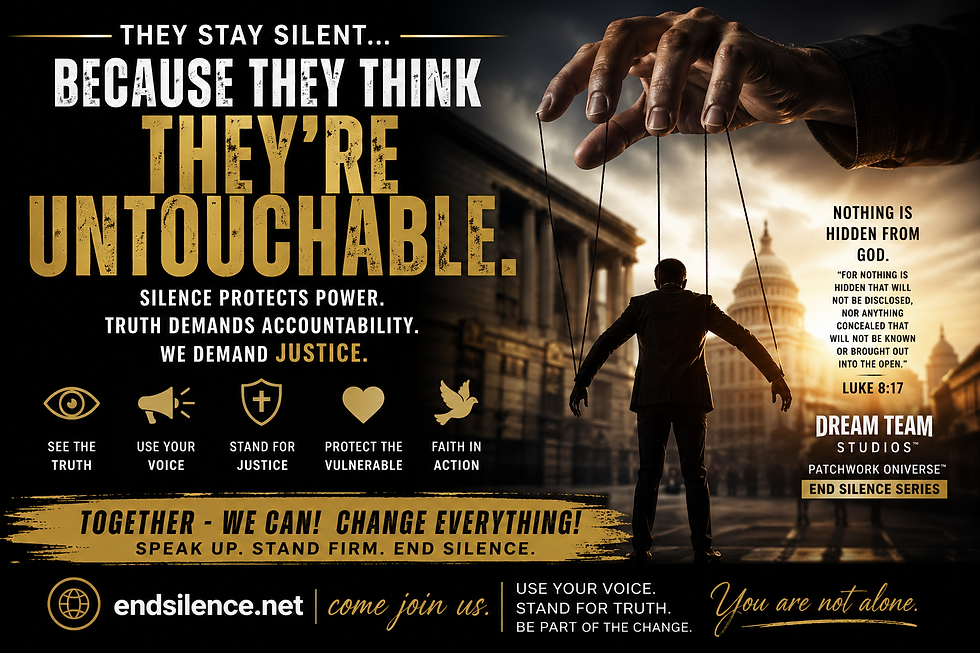
If you want to support this mission, learn how you can stand with survivors and help end silence.


1 Comment